
Journals
-
Risda: Jurnal Pemikiran dan Pendidikan Islam
Risda: Jurnal Pemikiran dan Pendidikan Islam is a scholarly journal published by STAI Ar-Rosyid Surabaya. The journal publishes original research and scholarly studies on Islamic thought, Islamic education, and related issues that contribute to the development of Islamic scholarship and educational practice.
-
JOCS: Journal of Community Service
Journal of Community Service (JocS) STAI Ar-Rosyid Surabaya publishes research articles, the results of community service. JoCS, particularly focuses on the main problems in the development of the sciences of community services areas as follows: 1. Community Services, People, Local Food Security; 2. Training, Marketing, Appropriate Technology, Design; 3. Community Empowerment, Social Access; 4. Student Community Services; 5. Border Region, Less Developed Region; 6. Education for Sustainable Development; Poverty alleviation based on local resources; 7. Economic Development, Entrepreneurship, Cooperatives, Creative Industries, and SMEs; 8. Development of environmentally friendly technology; 9. Health, nutrition, tropical diseases, and herbal medicines, arts, literature and culture, as well as national integration and social harmony.
-

JIESR: Journal of Islamic Education Studies and Review
The Journal of Islamic Education Studies and Review (JIESR) is a peer-reviewed, open-access academic journal dedicated to advancing scholarly discourse on Islamic Education (Pendidikan Agama Islam/PAI) within formal Islamic schools (Sekolah Islam) and urban Islamic boarding schools (Pesantren Kota/ Asrama). JIESR serves as a platform for interdisciplinary research, addressing the dynamic interplay between traditional Islamic pedagogy and contemporary educational challenges in urban contexts. The journal emphasizes innovative approaches, empirical studies, and critical reviews to foster the development of Islamic education that is both rooted in religious values and responsive to modern societal needs.
JIESR invites contributions on, but not limited to, the following themes:
- Curriculum design and innovation in PAI for Sekolah Islam and Pesantren Kota.
- Integration of digital tools and technology in Islamic teaching and learning.
- Leadership, governance, and management of urban Islamic educational institutions.
- Socio-cultural adaptations of Pesantren Kota in multicultural urban environments.
- Teacher training and professional development in Islamic education.
- Interfaith dialogue, ethics, and community engagement in urban settings.
- Comparative studies between traditional Pesantren and modern Islamic schools.
- Addressing globalization, secularism, and moral challenges in PAI.
- Student well-being, spirituality, and identity in urban Islamic education.
- Policy analysis and regulatory frameworks impacting Islamic education.JIESR targets academics, researchers, educators, policymakers, and practitioners engaged in Islamic education, as well as institutions dedicated to religious and educational studies. The journal welcomes original research articles, literature reviews, case studies, theoretical essays, and book reviews. All submissions undergo a rigorous double-blind peer-review process. JIESR is committed to open access, ensuring global visibility and impact without subscription barriers. Articles are accepted in English or Bahasa Indonesia, with abstracts translated into English to maximize accessibility.
JIESR encourages scholars and practitioners to submit cutting-edge research that bridges tradition and modernity, fostering transformative Islamic education in urban landscapes.
-
Mimbar: Journal Of Islamic Elementary Education
Mimbar: Journal Of Islamic Elementary Education is a peer-reviewed scholarly journal that serves as a platform for disseminating research findings, conceptual studies, and best practices in the fields of educational management and the academic study of Islamic Elementary School and Elementary School Islamic and general primary schools, respectively. The journal aims to enrich the body of knowledge regarding Islamic primary education and to support the enhancement of academic quality and professionalism among educators, educational administrators, and researchers.
-
BHINNEKA: Jurnal Pendidikan dan Pemikiran
BHINNEKA: Jurnal Pendidikan dan Pemikiran. This journal publishes articles in the form of learning and learning outcomes, and concepts in the context of education and thought. Detailed scope of articles accepted for submission to Bhinneka are: Educational philosophy, Educational psychology, Educational guidance and counseling, Educational methodology, Educational policy analysis, Educational management, Leadership analysis and other research in the field of practical education. Islamic Education Policy, Islamic Educational Methods, Philosophy of Islamic Education, Psychology of Education, Curriculum of Education, Islamic Education and Science, Nusantara Islamic Education, Islamic Boarding School Education, Islamic Education and Social Transformation, Management of Islamic Education, Innovation of Islamic Education, Islamic Thought, Education Thought
-
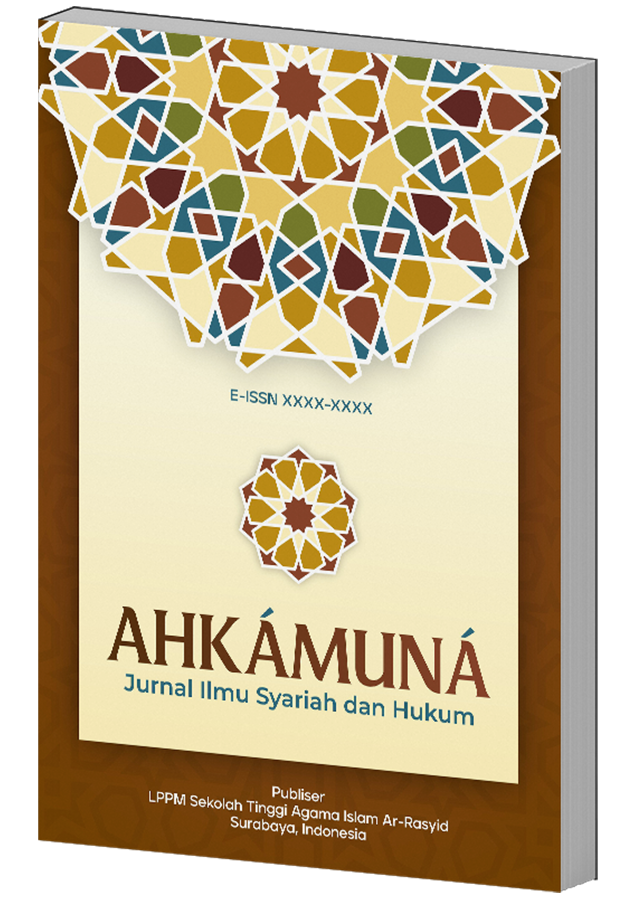
AHKAMUNA: Jurnal Ilmu Syariah Dan Hukum
Ahkamuna: Journal of Sharia and Islamic Law is an academic journal dedicated to the development, dissemination, and critical discussion of scholarly research in the fields of Sharia, Islamic law, and related areas of legal studies. The journal provides a scholarly platform for researchers, academics, legal practitioners, students, and other scholars to publish original research that contributes to the advancement of Islamic legal thought and its application in contemporary society.
Ahkamuna encourages interdisciplinary and multidisciplinary studies that explore Islamic law from classical, contemporary, comparative, socio-legal, philosophical, and methodological perspectives. The journal welcomes research that examines the relationship between Islamic legal principles and contemporary legal, social, economic, political, and cultural developments. Through rigorous academic standards and a transparent publication process, Ahkamuna seeks to contribute to the advancement of high-quality scholarship in Sharia and Islamic law.
-
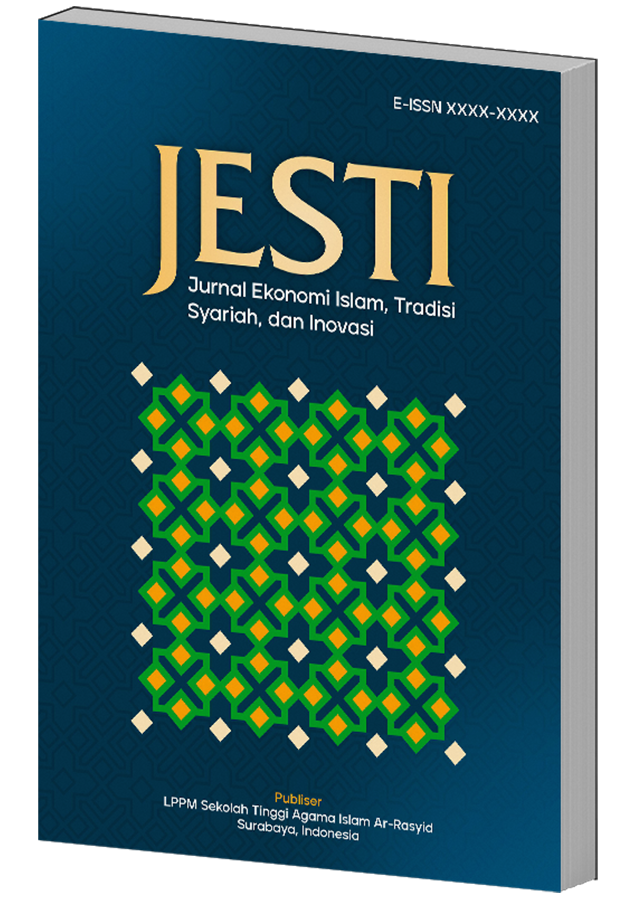
JESTI: Jurnal Ekonomi Islam, Tradisi Syariah, dan Inovasi
JESTI: Journal of Islamic Economics, Sharia Tradition, and Innovation is an academic journal dedicated to the development, dissemination, and discussion of scholarly research in the field of Islamic economics, Sharia traditions, and contemporary innovation. The journal provides an interdisciplinary academic platform for researchers, academics, practitioners, policymakers, and students to publish and exchange ideas concerning economic, social, cultural, and institutional issues from Islamic perspectives.
JESTI welcomes theoretical, empirical, conceptual, and applied research that contributes to a deeper understanding of Islamic economic thought and its implementation in contemporary society. Particular attention is given to studies that connect Islamic economic principles with Sharia traditions, local wisdom, technological developments, social transformation, entrepreneurship, financial innovation, and sustainable economic development.
Through rigorous peer review and ethical publication practices, JESTI seeks to contribute to the advancement of knowledge and encourage constructive dialogue between Islamic values, traditional practices, and modern economic innovation.
-
JPMPHE: Jurnal Pengabdiaan Masyarakat dalam Pendidikan, Hukum, dan Ekonomi
JPMPHE: Journal of Community Service in Education, Law, and Economics is a scientific journal dedicated to the publication and dissemination of academic and practical contributions in the field of community service. The journal provides a scholarly platform for academics, researchers, lecturers, practitioners, students, government institutions, non-governmental organizations, and other community stakeholders to share the results of community engagement activities that contribute to the development and empowerment of society.
JPMPHE particularly focuses on community service activities related to education, law, and economics, including interdisciplinary approaches that connect these fields with real-world community needs. The journal encourages the publication of innovative, participatory, evidence-based, and sustainable community service programs that have measurable impacts on individuals, groups, institutions, and communities.
Through the publication of high-quality articles, JPMPHE aims to strengthen collaboration between higher education institutions and society while promoting the application of knowledge, technology, skills, and professional expertise to address social, educational, legal, and economic challenges.
-
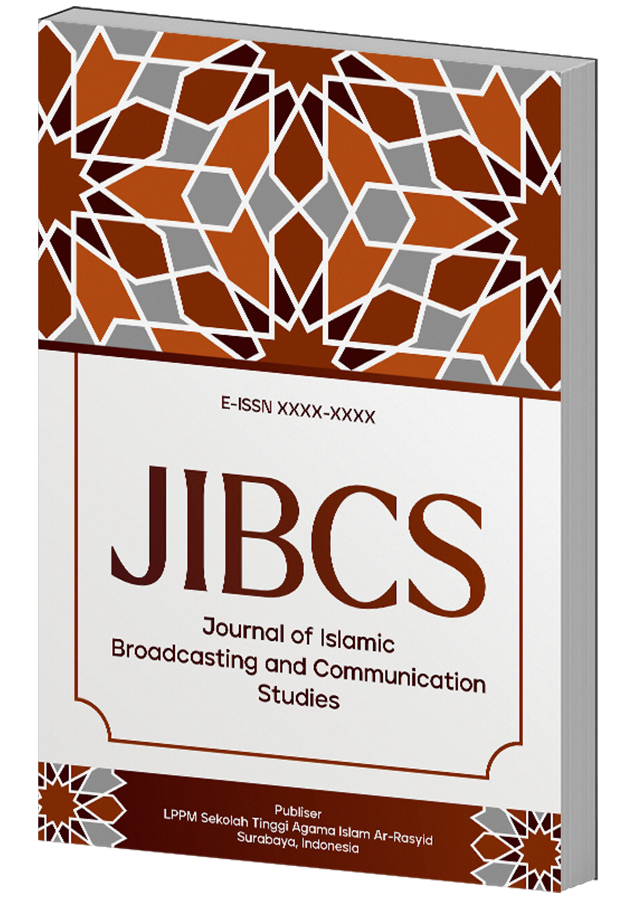
JIBCS: Journal of Islamic Broadcasting and Communication Studies
JIBCS: Journal of Islamic Broadcasting and Communication Studies is an international scholarly journal dedicated to the advancement of research and academic discourse in the field of Islamic Broadcasting and Communication Studies. The journal provides a multidisciplinary platform for researchers, academics, practitioners, and communication professionals to explore the dynamic relationship between Islam, communication, broadcasting, media, technology, culture, and society.
JIBCS welcomes theoretical, conceptual, empirical, and applied studies that examine the development of Islamic communication in both conventional and digital media environments. Particular attention is given to contemporary transformations in da’wah communication, Islamic broadcasting, digital media, social media, artificial intelligence, public communication, media culture, and communication ethics.
The journal encourages interdisciplinary perspectives drawing from communication studies, Islamic studies, media and cultural studies, sociology, anthropology, journalism, public relations, information technology, and related fields. Through rigorous peer review, JIBCS aims to contribute to the development of innovative theories, methodologies, and practices in Islamic communication while addressing emerging challenges and opportunities in the rapidly changing media landscape.
JIBCS is committed to promoting scholarly excellence, ethical communication, inclusivity, and meaningful engagement between Islamic values and contemporary communication practices. The journal seeks to become a significant academic reference for understanding how communication and media can contribute to the dissemination of Islamic values, social transformation, public engagement, and the development of an informed and ethical society.